中文 | Stock Code:
920110



There are many kinds of museums, and most of LTECH's cases are applied to cultural relics museums. Today, we are going to introduce the lighting project of LTECH at the War Museum. It is said that the mission of the War Museum is "to make people understand modern warfare and its impact on individuals and society." Now, we will take you into the London Imperial War Museum.
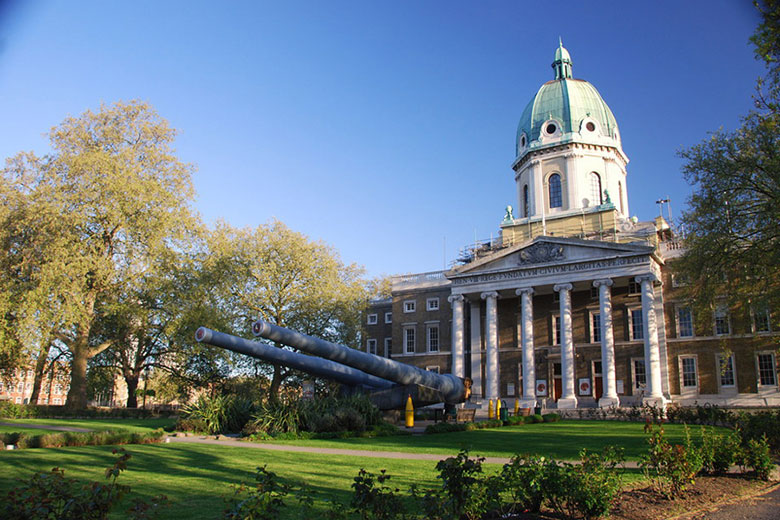
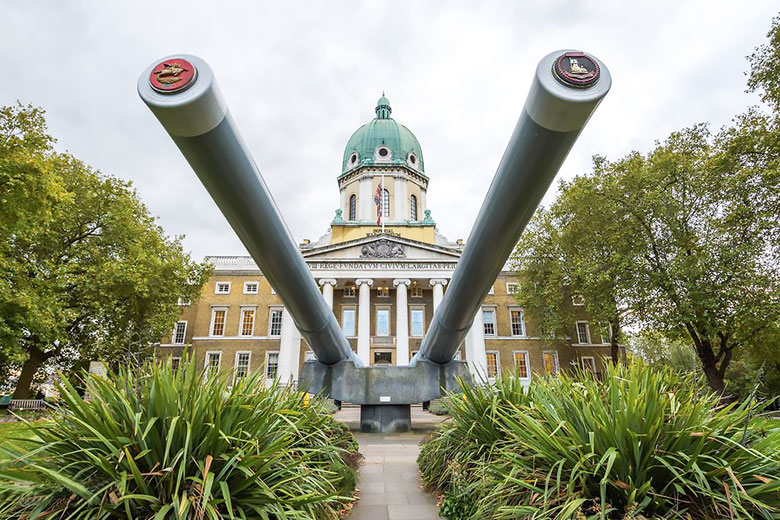
The Royal War Museum in London, UK, also known as the Imperial War Museum, shows the weapons used by Britain in the two world wars and the descriptions of the wars—including weapons and materials related to various wars, such as British and US Air Force fighters. In the small space with bright lights, it shows the richest tools of war, interpreting and recording all aspects of modern warfare and personal war experiences.
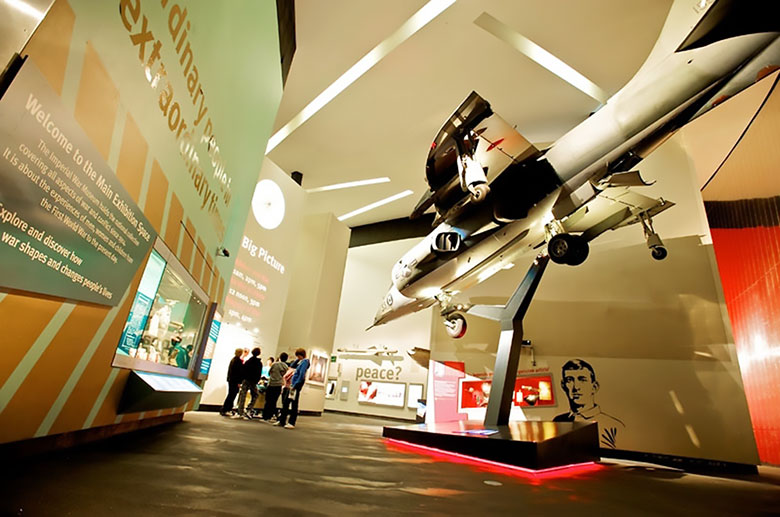
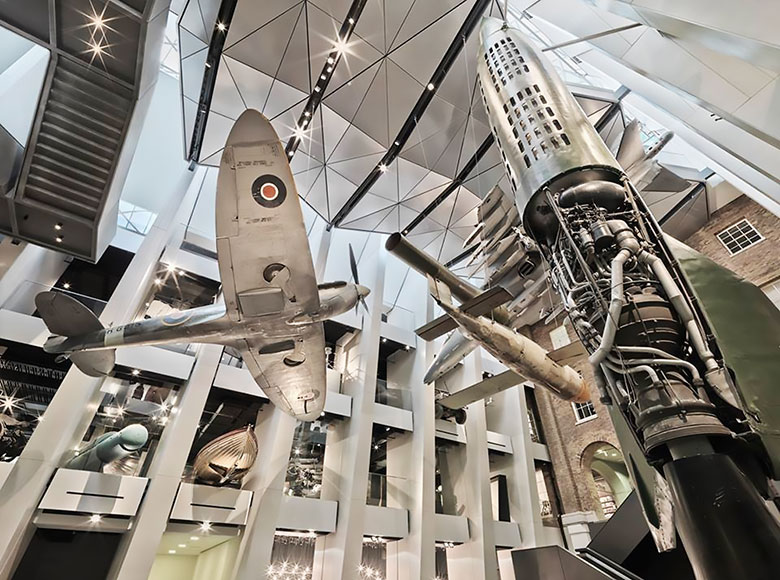
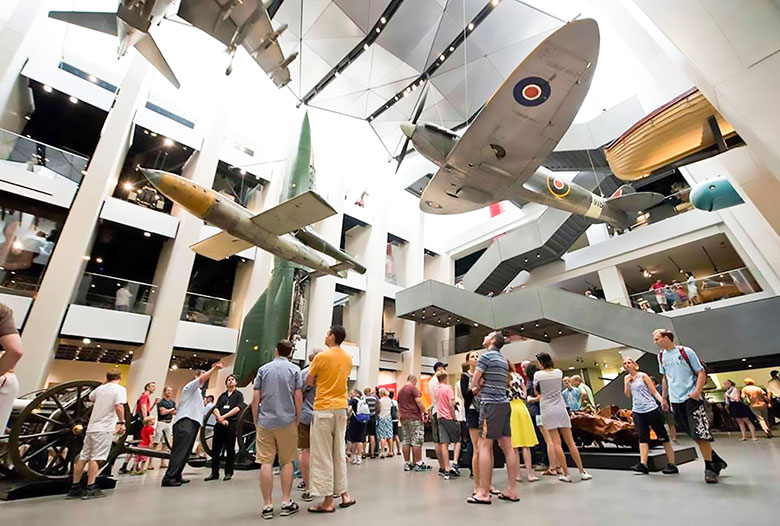
There are more than 15,000 oil paintings, drawings, and sculptures, and more than 30,000 posters in the museum. The collections range from airplanes, armored combat vehicles, and naval vessels to uniforms, badges, decorations, etc.; 120 million feet of film footage and more than 6,500 hours of videotapes; more than 6 million photos, negatives, and slides; and approximately 32,000 hours of precious materials, such as historical tapes.
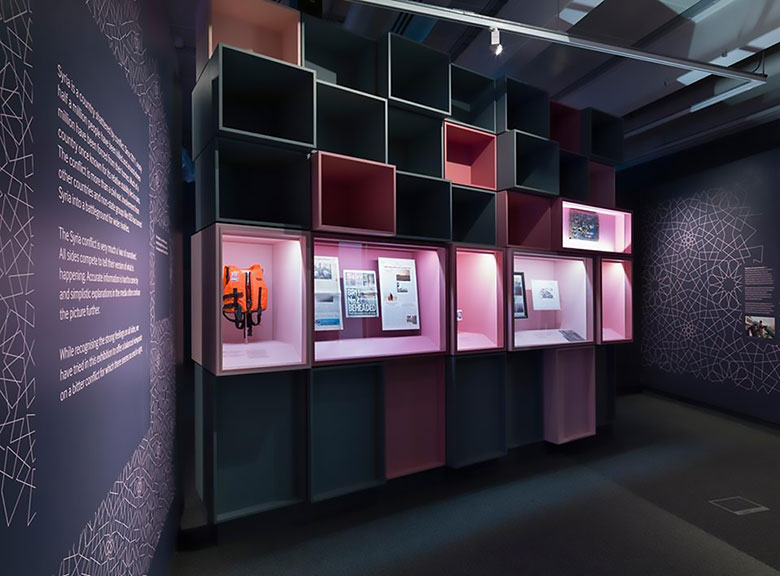
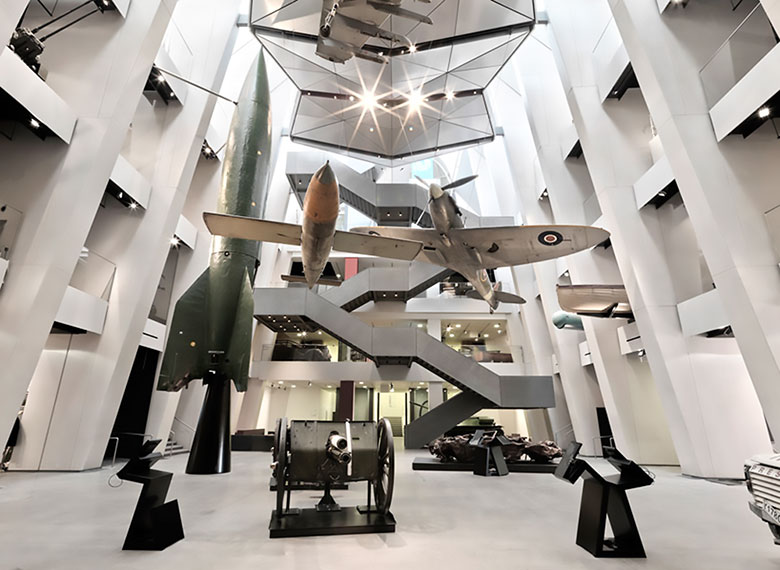
Therefore, the Imperial War Museum not only has the function of a traditional museum, but also a national art gallery, a large national text and audiovisual record archive, and a research center. It shows that for lighting control requirements, lighting design and technology must give priority to the protection of exhibits, control and reduce the damage of light on the material, color, texture and other aspects of the exhibits to create a suitable light environment.
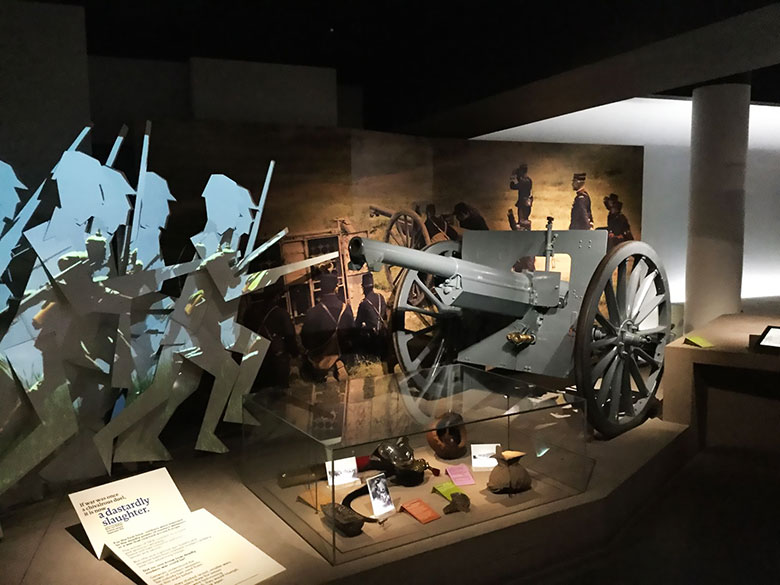
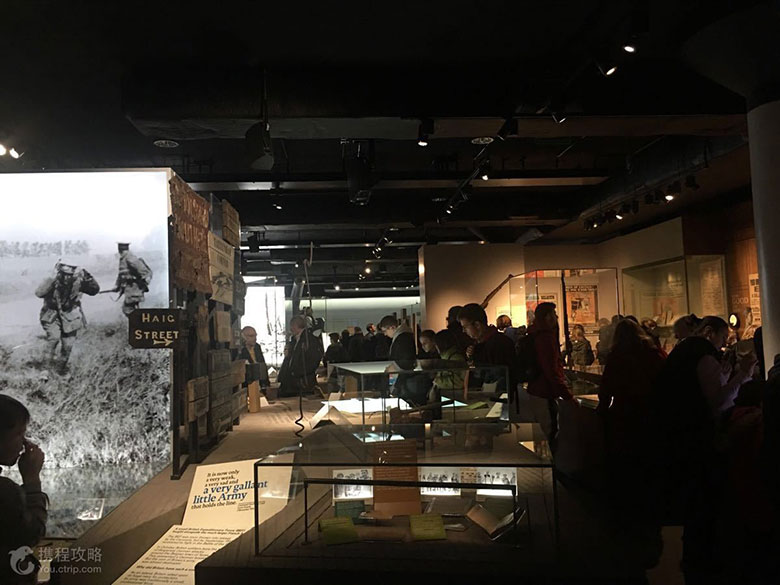
In such high-requirement and high-standard lighting control options, the Imperial War Museum uses LTECH's DMX/RDM constant voltage decoder in the lobby, dark trough, closets, and other places.
DMX/RDM Constant Voltage Decoder
LTECH DMX/RDM constant voltage decoder supports the standard RDM remote device management protocol, enabling DMX512 signal bidirectional communication, and can realize remote read/write of DMX addresses, etc. After installation at the museum, it is easy to change the address and reduce the complicated procedures of rework.

The 0-100% dimming range and delicate lighting dynamic effects make the light color, saturation, and brightness of the space in the hall more precise, creating a visually comfortable light environment. The high color rendering index can truly restore the historical relics. The original appearance and color will present the civilization to the audience.
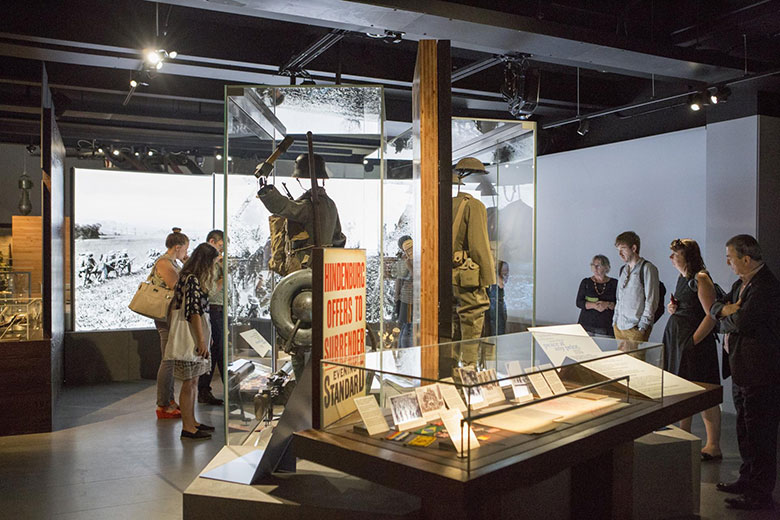
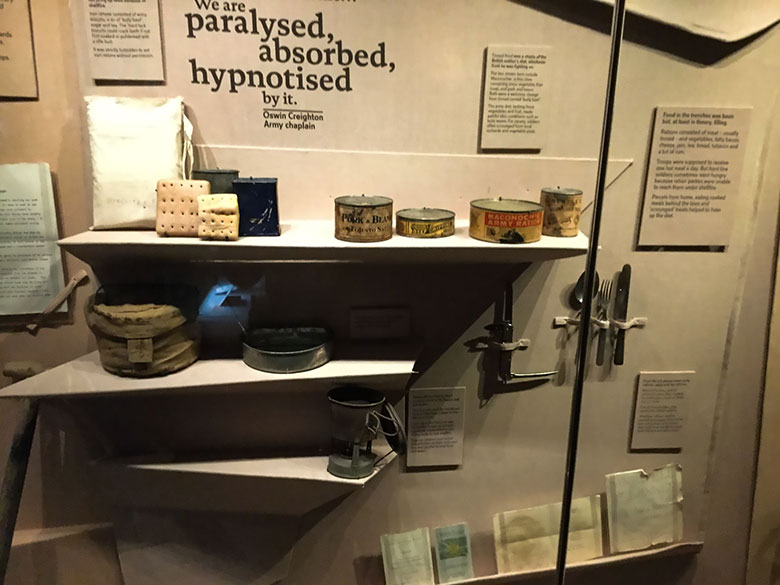
In addition, LTECH DMX/RDM constant voltage decoder uses PWM digital dimming technology, with DMX decoder mode and multi-channel output selection. It provides XLR-3, RJ45, and green terminal three DMX signal interface options, available to control single color, CT, RGB, RGBW, RGBY, RGBA LED lighting fixtures, bringing stable, high-quality dimming effects to the museum.
Light, in the use of museums, always exists in contradiction. The more historical works of art, the higher the requirement for collections and exhibits. How to use more professional light, in the case of preventing from damage to exhibits, is the responsibility of every lighting practitioner. This is why many well-known large museums choose the LTECH’s high quality products.LTECH, like a museum night watchman, contributes an indispensable force to the museum lighting, performing a wonderful journey of his museum in this beam of selflessness.

